
February Nature Almanac: What to Look for
February Nature Almanac
By Tait Johansson, Naturalist
1 Look for the small, paired tracks of Mink by streams, ponds, and lakes, often leading onto the ice or into the water.
12 As the days lengthen, on sunny mornings listen for an increase in singing from our winter birds such as chickadees, titmice, Carolina Wrens, and cardinals.
15 Red Maple flower buds now swelling in preparation for bloom, bringing a subtle reddish tinge to our wooded swamps.
20 Bald Eagles likely to be already incubating eggs in their massive stick nests along the Hudson and near local reservoirs.
25 Male Red-winged Blackbirds now returning to set up territories in anticipation of the arrival of females.
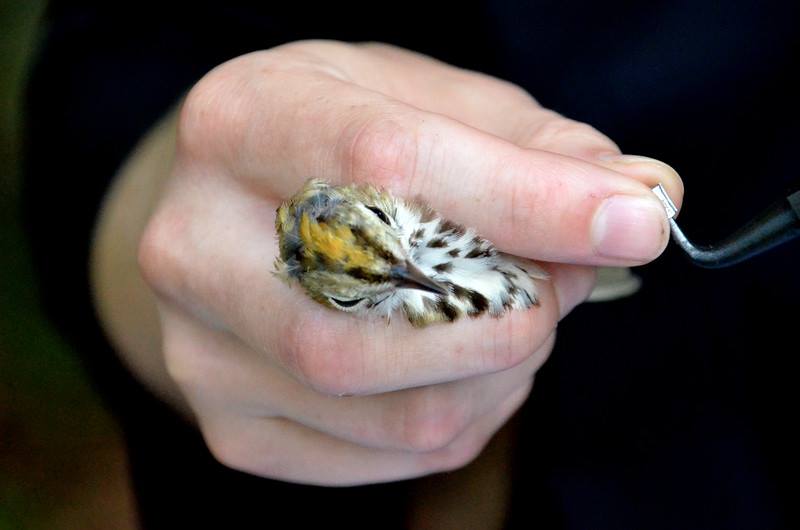
Ovenbird
There is a singer everyone has heard, Loud, a mid-summer and a mid-wood bird, Who makes the solid tree trunks sound again. Robert Frost, The Oven Bird The song of the Ovenbird (Seiurus aurocapilla) is one of the most familiar summer sounds of deciduous forest...
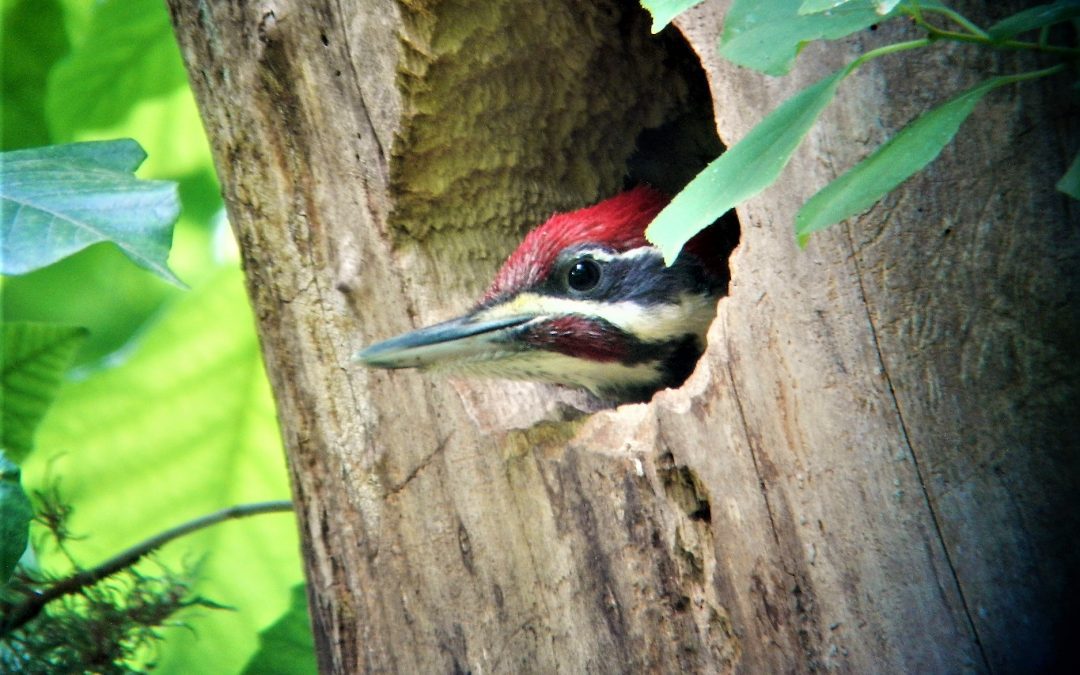
Pileated Woodpecker
The Pileated Woodpecker (Dryocopus pileatus) is a large, spectacular woodpecker about the size of a crow. Though relatively common in our area, it has large territories so it is not seen as often as one might think -- especially given its size and striking coloration....
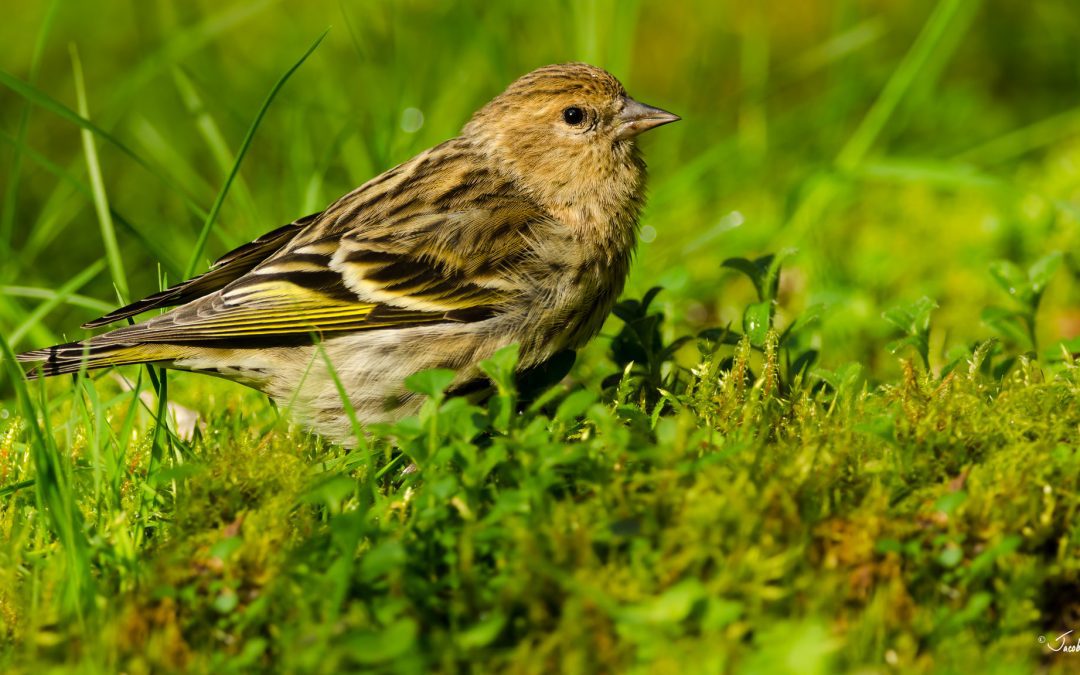
Pine Siskin
The Pine Siskin (Carduelis pinus), a small, gregarious finch closely related to the American Goldfinch (Carduelis tristis), is an irregular visitor to our area. This fall (2008) has seen a tremendous movement of this species into the northeast, likely due to food...
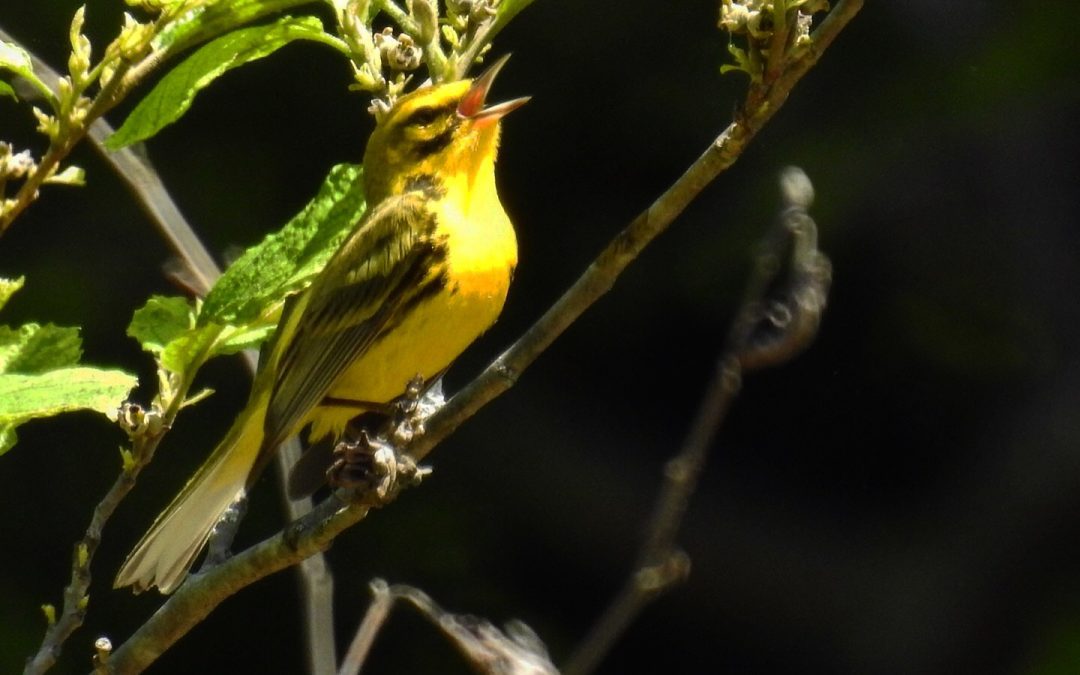
Prairie Warbler
The tiny, green and gold Prairie Warbler (Setophaga discolor), contrary to its common name, is a bird not of grasslands, but of large areas of shrubland. In our area, this means powerline cuts and overgrown old fields with dense areas of shrubs or young trees,...
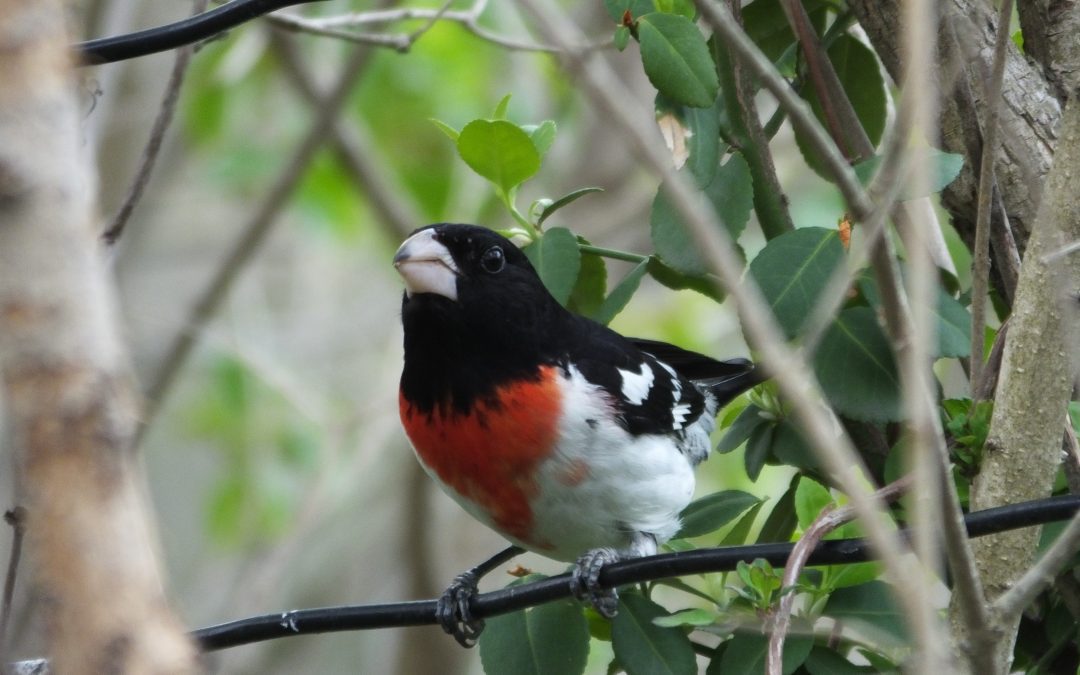
Rose-breasted Grosbeak
One of the first Neotropical migrants to arrive in southern New York every spring is the Rose-breasted Grosbeak (Pheucticus ludovicianus). In late April, this species completes its journey from its winter range (Mexico south to Ecuador) to our area, announcing...
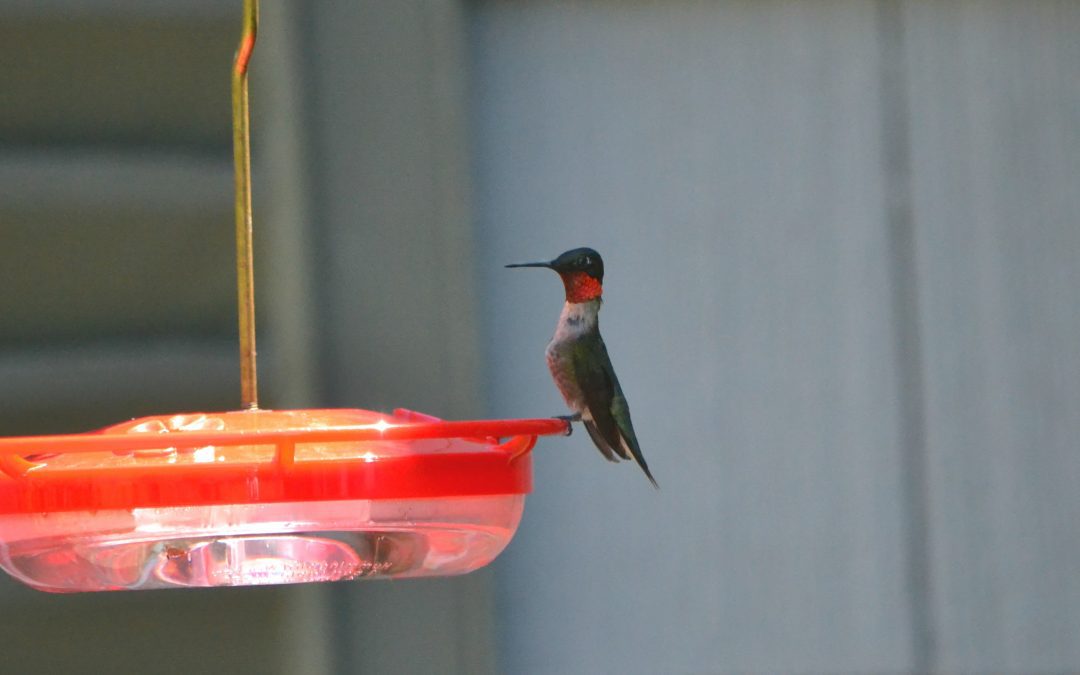
Ruby-throated Hummingbird
The Ruby-throated Hummingbird (Archilochus colubris) is our most distinctive bird. Except for a few other hummingbird species that occur in our area only very rarely, it’s impossible to confuse this species with any other bird. About the only organisms one may mistake...
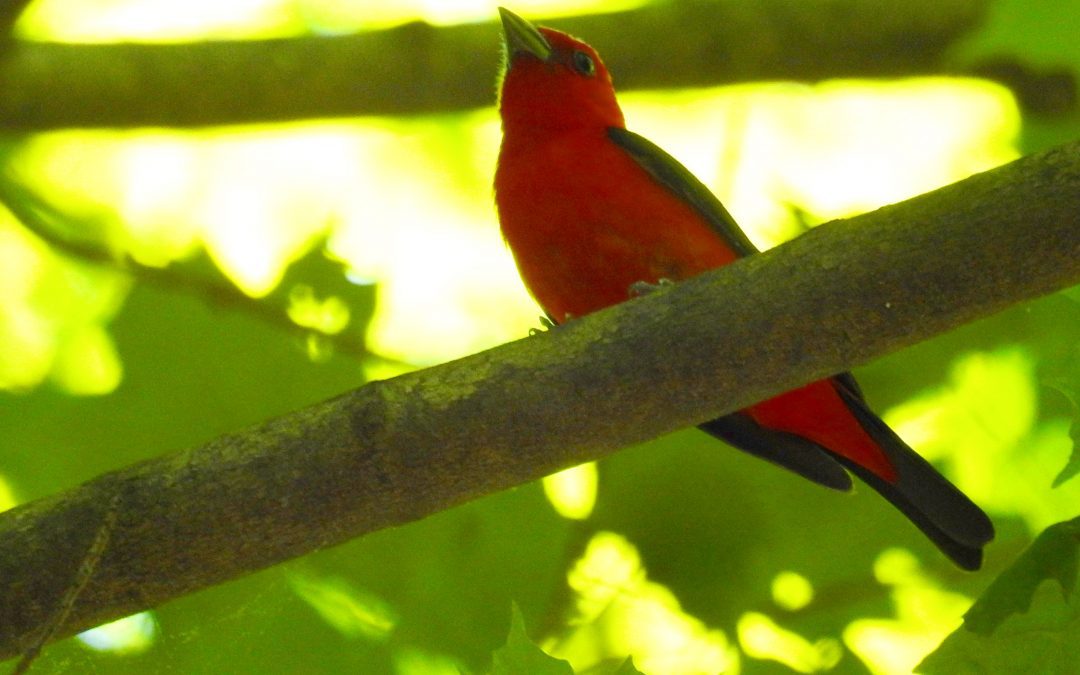
Scarlet Tanager
The male Scarlet Tanager (Piranga olivacea) is a stunning bird in spring and summer. The incandescent red feathers covering most of its body contrast sharply with the glossy black of its wings and tail. Although this bird is a common species in deciduous forests in...

Tree Swallow
The Tree Swallow (Tachycineta bicolor) is a familiar bird in our region, inhabiting open areas, usually near water, in the nesting season. Like our other swallows, it is an aerial insectivore, catching its prey almost exclusively on the wing, during the course...
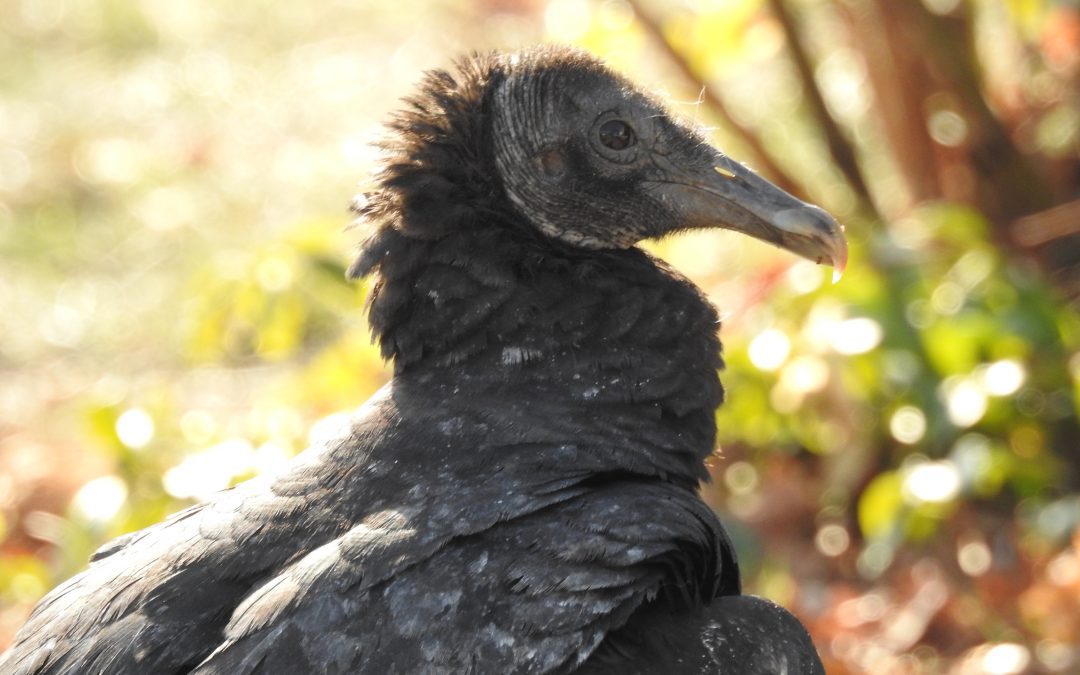
Turkey Vulture & Black Vulture
The Turkey Vulture (Cathartes aura) and the Black Vulture (Coragyps atratus) are two of the most conspicuous birds in our area. Both vultures are large, mostly dark-colored birds which soar above the landscape searching for their primary food, carrion, making them...
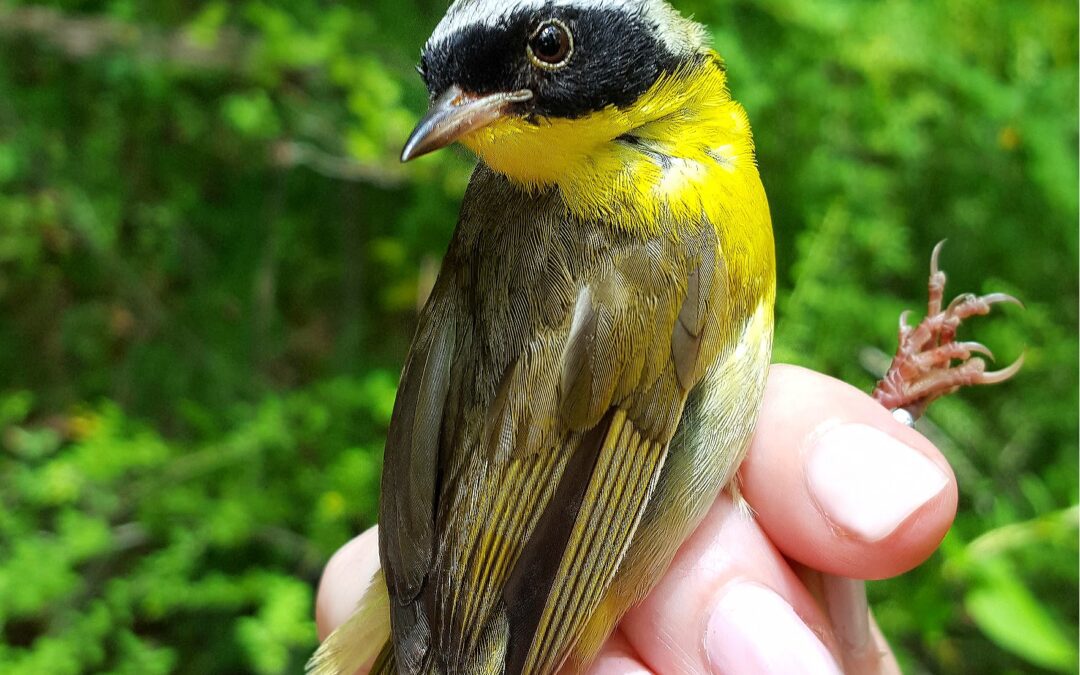
Warblers
The May influx of warblers is one of the most glorious events of our spring bird migration. This quiet spectacle is essentially confined to eastern and central North America, as the west coast has far fewer warbler species. We have about 30 species of warblers come...
Have questions? Contact us: info@bedfordaudubon.org

Stay up to date.
Join our newsletter >