Window Strike Prevention
Keeping Birds Safe
A Deadly Illusion
Each year, millions of birds are killed by a threat hidden in plain sight: windows. Glass surfaces pose a serious danger to birds, who cannot perceive glass the way humans do. Whether flying between trees, evading predators, or simply looking for food or rest, birds often mistake glass reflections for open sky or habitat and collide at full speed.
Beyond the birds that die instantly, research shows that less than half of birds stunned or injured in window collisions survive, even with expert rehabilitation care. Factoring in this new data pushes the estimated death toll to well over 1 billion birds that may die each year from building strikes in the U.S.
“Bird populations across the globe are in steep decline, in part due to collisions with buildings,” explains Dustin Partridge, PhD, of NYC Bird Alliance, formerly NYC Audubon. “Unfortunately, our work shows population-level declines are not something we can fix with rehabilitation. If we don’t address artificial light and glass, we’ll continue to lose over a billion birds in the US annually — a toll our ecosystems can’t sustain.”
Simple Solutions Can Save Birds
While the situation might seem overwhelming, there are simple things you can do right now to help. Whether you’re a homeowner, business owner, or even a renter, there are simple, affordable, and beautiful ways to make your glass bird-safe. Together, we can reduce one of the leading causes of bird mortality — and create a safer environment for our feathered neighbors. Read on to find out how.
Make Glass Visible to Birds
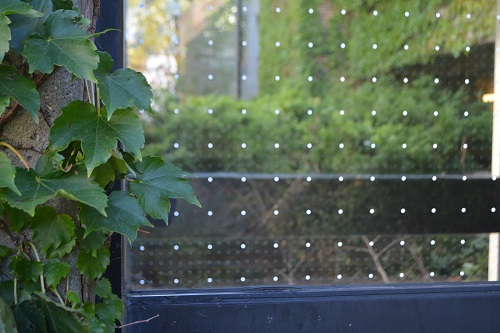
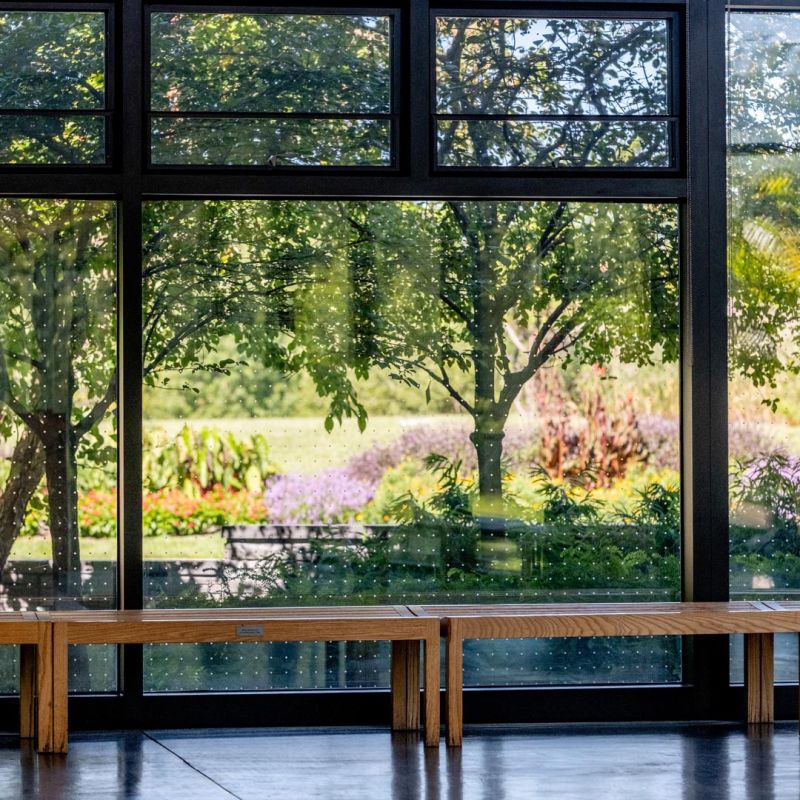
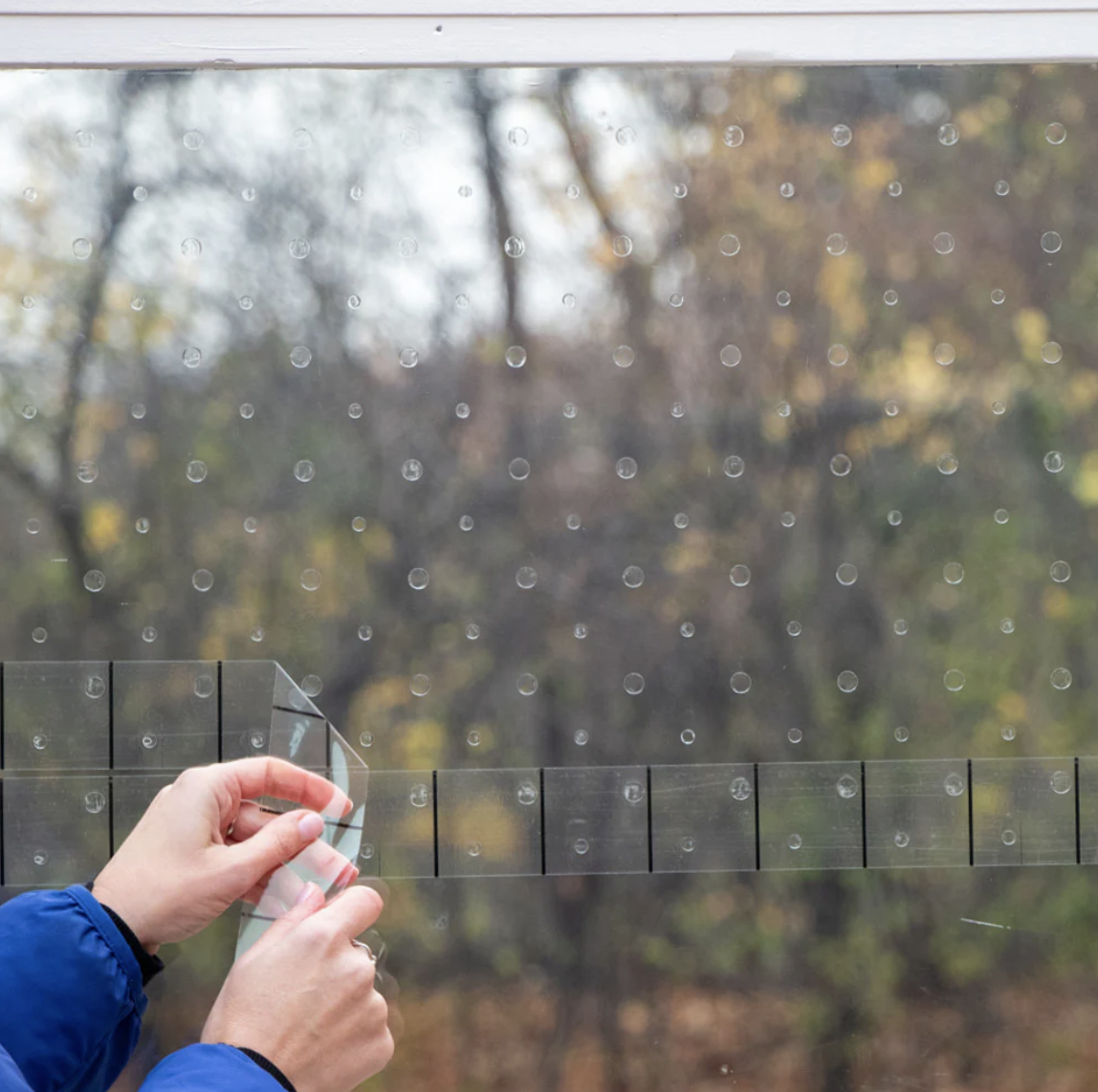
- Add bird safe products like tape to the outside of windows to make them visible to birds. Spacing matters — 2” vertical or 4” horizontal spacing is ideal. Scroll down to view product images with links.
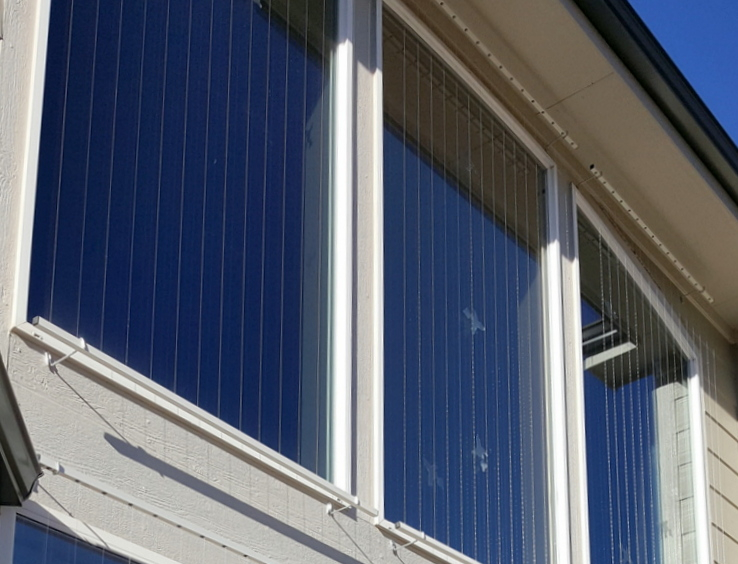
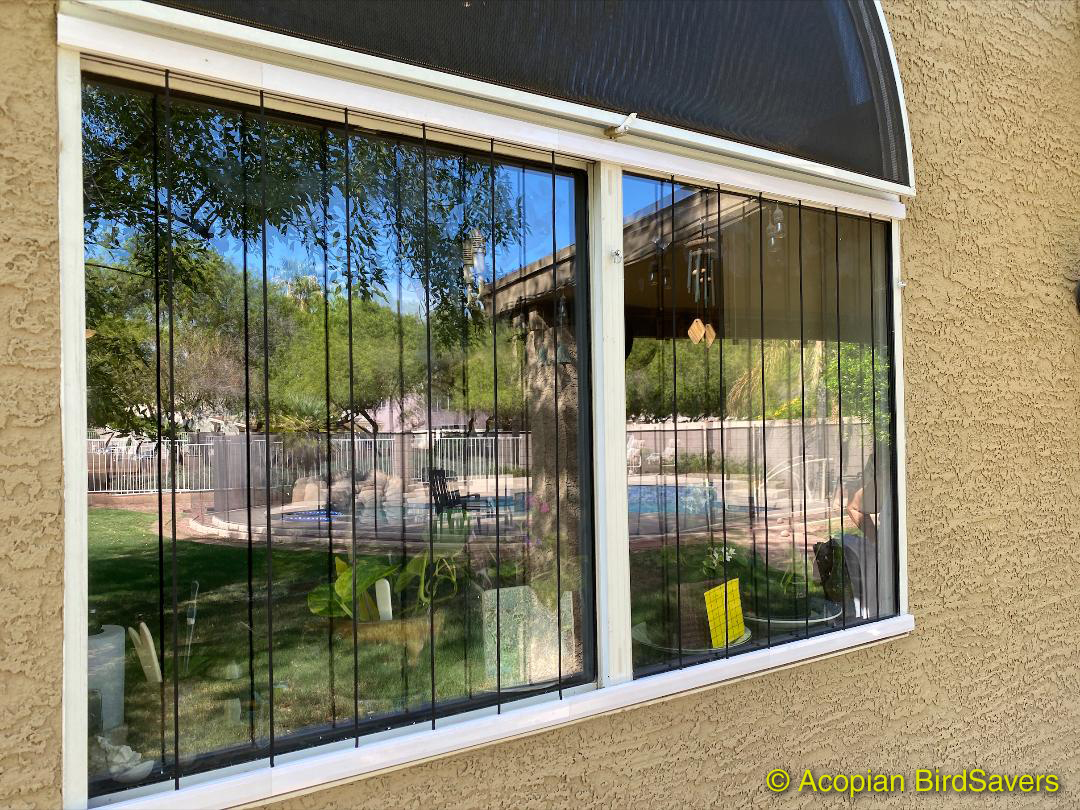
- Hang cords or “Acopian Birdsaver” curtains on the outside of glass. See image with link below.
- Use external insect screens to break reflections and soften impact.
- Close blinds or curtains when windows aren’t in use.
- Move indoor plants away from window perimeters.
- Install window-mounted feeders to slow bird approach speeds and keep birds close to the glass where collisions are less severe.
Turn Lights Out to Provide Safe Passage
Migrating birds often fly at night and can become disoriented by artificial light. You can help provide safe passage by reducing unnecessary lighting during migration seasons and turning all lights off between 11pm and 6am. Here is a list of simple actions you can take to do your part to keep birds safe:
- Turn off non-essential lights from 11pm – 6am, especially during migration seasons
- Avoid lighting up trees, gardens, or green spaces at night
- Use motion sensors or timers to limit how long lights stay on
- Choose warmer, dimmer light bulbs (lower brightness and color temperature)
- Ensure necessary outdoor lights are shielded and aimed downward
- Follow migration alerts/forecasts to know when turning lights off is most critical
- Install and use lighting controls (timers, sensors, automation systems)
- Share information and encourage others (coworkers, tenants, community) to participate
If a Window Strike Occurs
If you find the injured bird, please visit our webpage for more information about what you can do to help:
If the bird has died, please report the fatality to the NYC Bird Alliance’s data collection tool, dBird. DBird “provides a way for the public to report incidents of dead and injured birds, helping to contextualize and guide research and advocacy efforts that aim to reduce human-caused hazards to birds.”
Gallery
Here are images of proven methods to make windows safer for birds, starting with an excellent overview of the elements necessary to make windows bird friendly from the American Bird Conservancy (below).
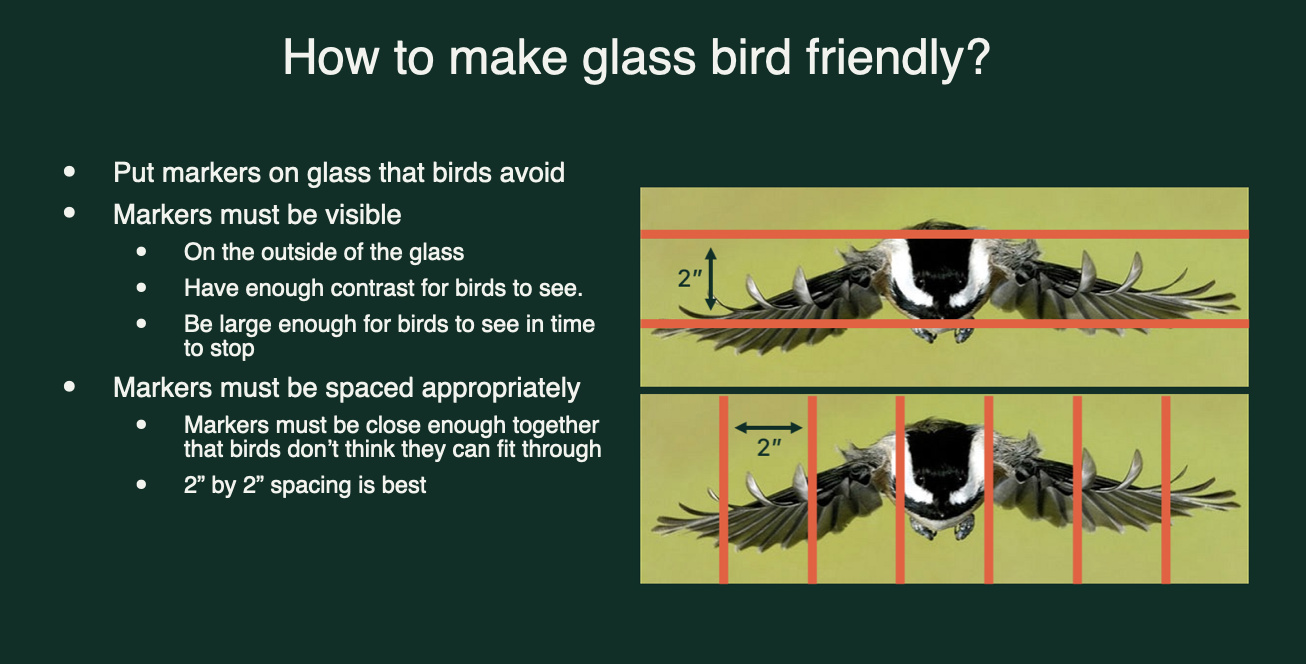
NOTE: While 2″ by 2″ spacing is required for horizontal spacing, for vertical spacing, 4″ by 4″ is acceptable (and in general, aesthetically preferred.)