
February Nature Almanac: What to Look for
February Nature Almanac
By Tait Johansson, Naturalist
1 Look for the small, paired tracks of Mink by streams, ponds, and lakes, often leading onto the ice or into the water.
12 As the days lengthen, on sunny mornings listen for an increase in singing from our winter birds such as chickadees, titmice, Carolina Wrens, and cardinals.
15 Red Maple flower buds now swelling in preparation for bloom, bringing a subtle reddish tinge to our wooded swamps.
20 Bald Eagles likely to be already incubating eggs in their massive stick nests along the Hudson and near local reservoirs.
25 Male Red-winged Blackbirds now returning to set up territories in anticipation of the arrival of females.

American Crow & Raven
The American Crow (Corvus brachyrhynchos) is familiar to everyone. One of the most common and visible birds in our area, this Crow is found in almost every habitat, including towns, forests, fields, and suburbia. A less familiar bird to many is the Common Raven...
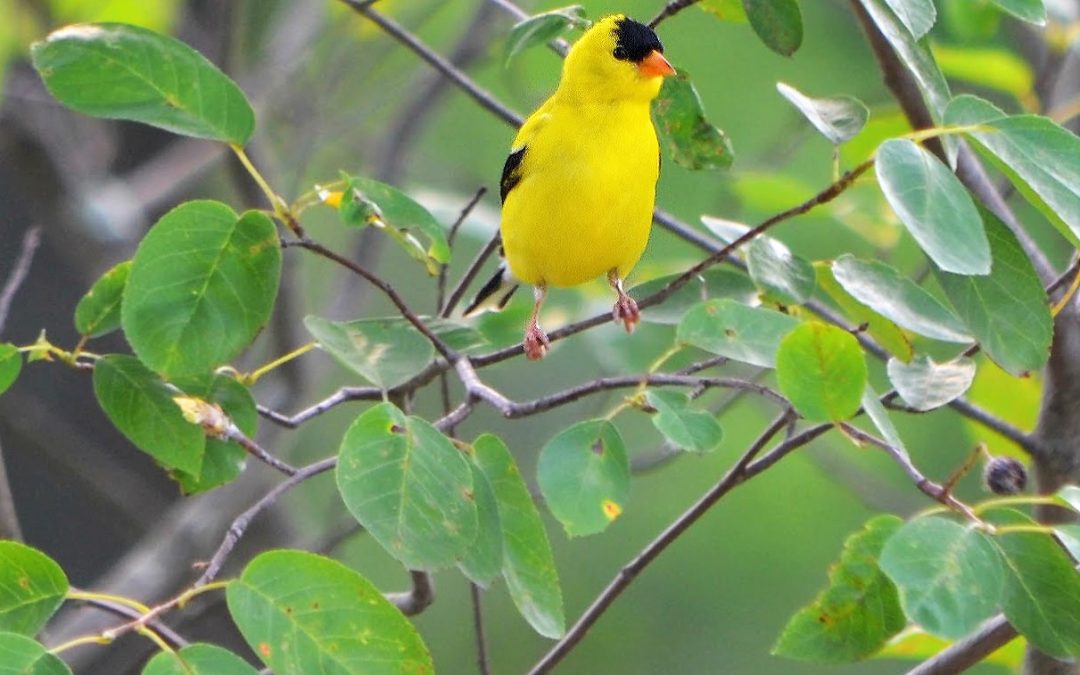
American Goldfinch
The American Goldfinch (Carduelis tristis) is one of our most familiar birds, especially to those who maintain bird feeders. This common inhabitant of shrubby fields, the edges of woods, and suburban areas is in spring through autumn, the male Goldfinch is a...
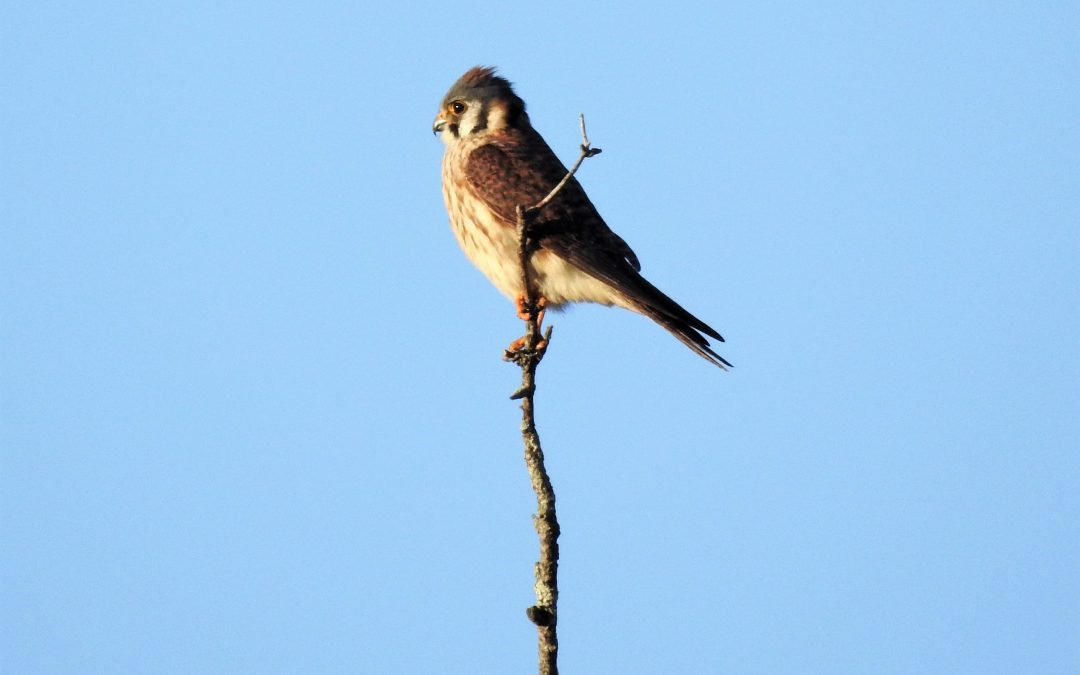
American Kestrel
One of the more common fall migrant raptors in eastern North America is the American Kestrel (Falco sparverius). This brightly-colored small falcon is now almost gone from Westchester and Putnam counties as a breeder, but continues to migrate through our area in good...

Baltimore & Orchard Oriole
One of the most notable avian events of May, a month with no shortage of such events, is the return of our two species of oriole from their Mexican and Central American wintering grounds. The arrival of such tropical-looking birds has always seemed to me an...
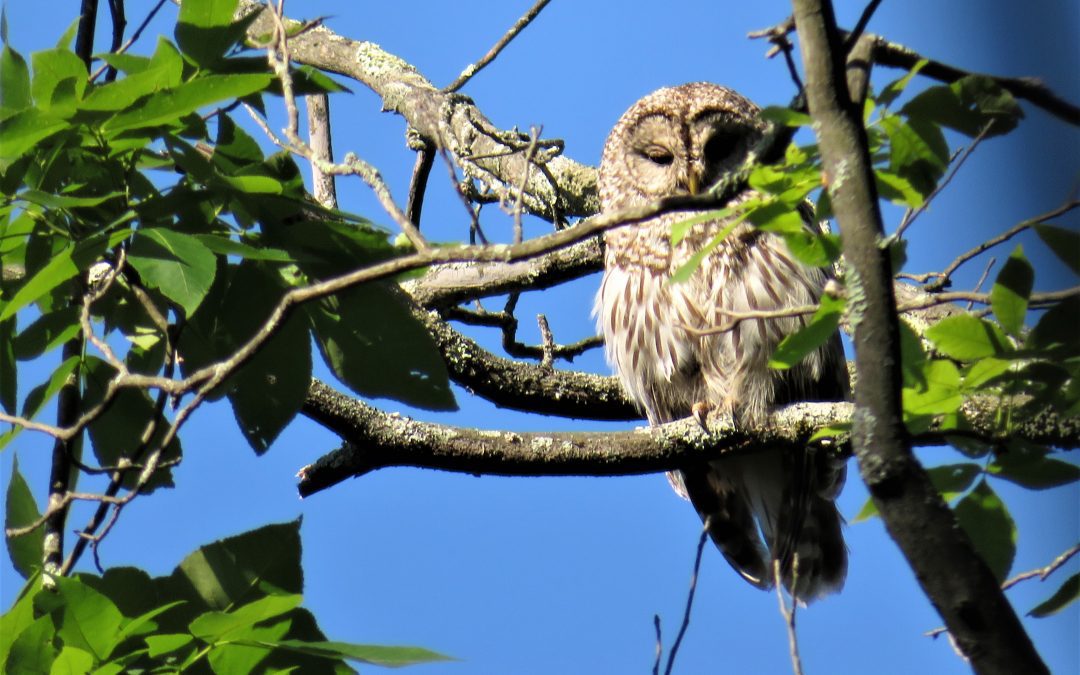
Barred Owl
The Barred Owl (Strix varia) is a common inhabitant of larger forest tracts and wooded wetlands in our area, though it, like many other nocturnal creatures, is seldom seen by humans. This species can be distinguished from our two other most commonly encountered...

Broad-winged Hawk
The autumn Broad-winged Hawk (Buteo platyperus) migration is an awe-inspiring event. Each September, vast numbers of these birds make their way from their breeding grounds in the deciduous forests to our north to their wintering grounds in Central and South America....
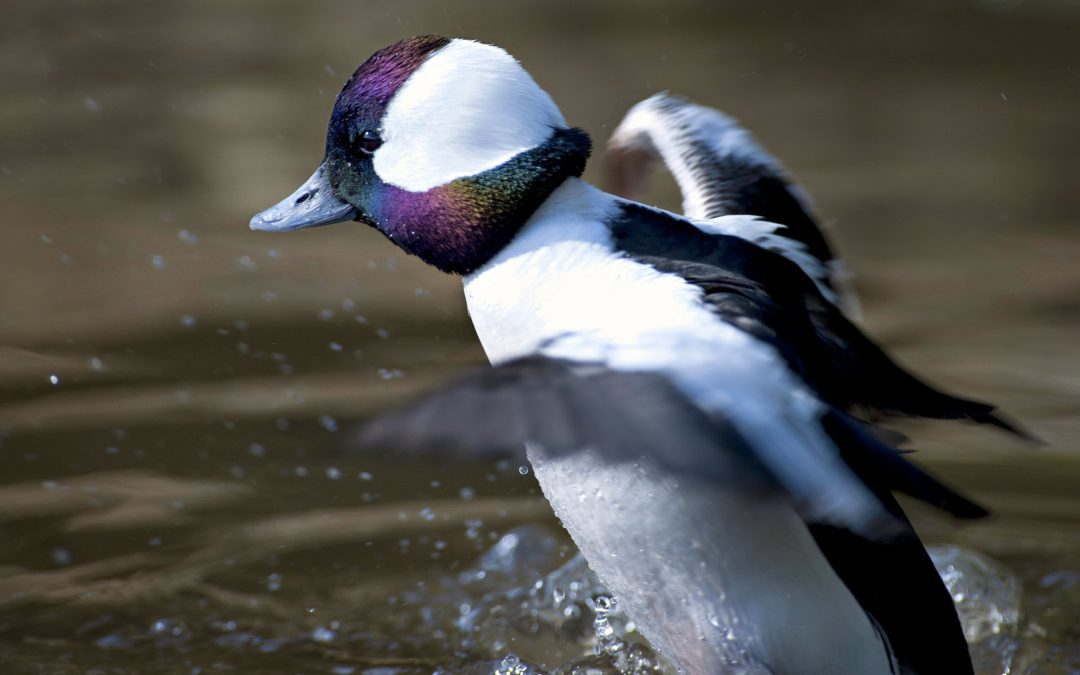
Bufflehead
The Bufflehead (Bucephala albeola), often known to hunters as the “butterball” for its ability to put on quantities of fat during fall migration, is a small, stubby, strikingly-plumaged duck common in our area in winter—as long as there is open water. The odd name is...
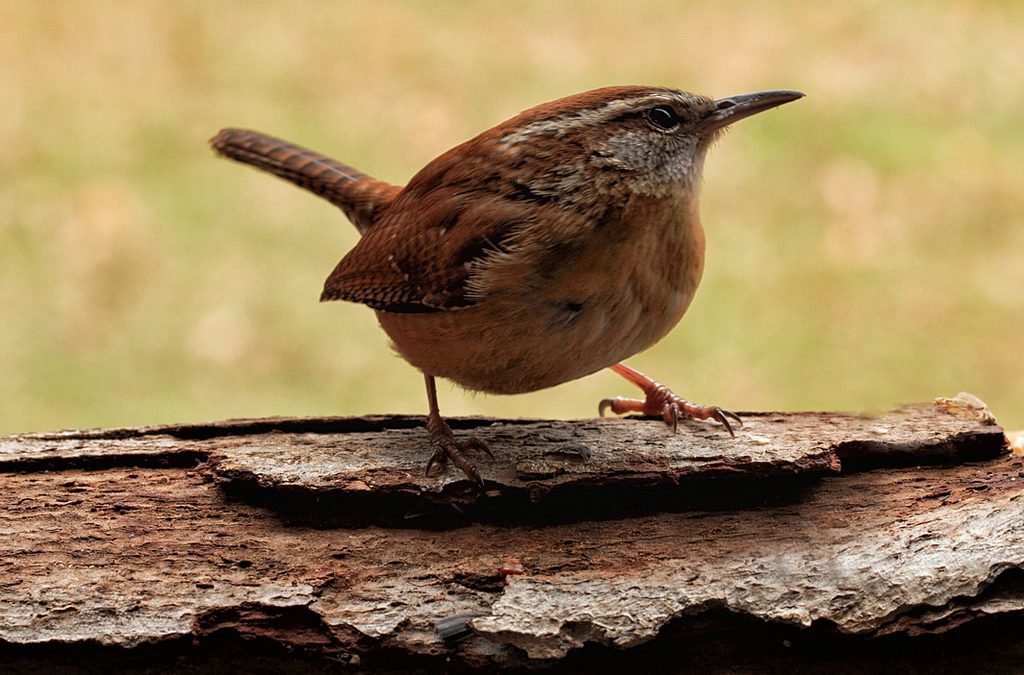
Carolina Wren
The Carolina Wren (Thryothorus ludovicianus) is an often-conspicuous presence, loudly announcing its presence to all within earshot with its loud, ringing song and a variety of distinctive call notes. At other times, this bird shows its retiring side, skulking in...
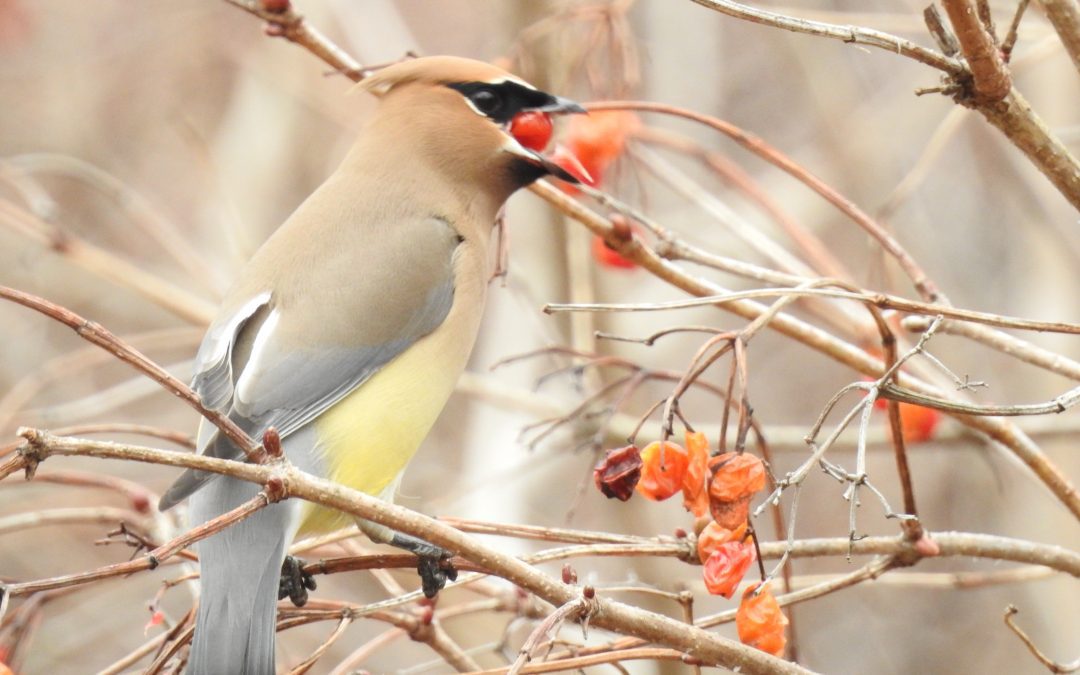
Cedar Waxwing
In a time when the populations of many songbird species in our part of the world are declining, one happy exception to this is the elegant Cedar Waxwing (Bombycilla cedrorum). One of a family consisting of only three species worldwide, our Waxwing is a common breeding...
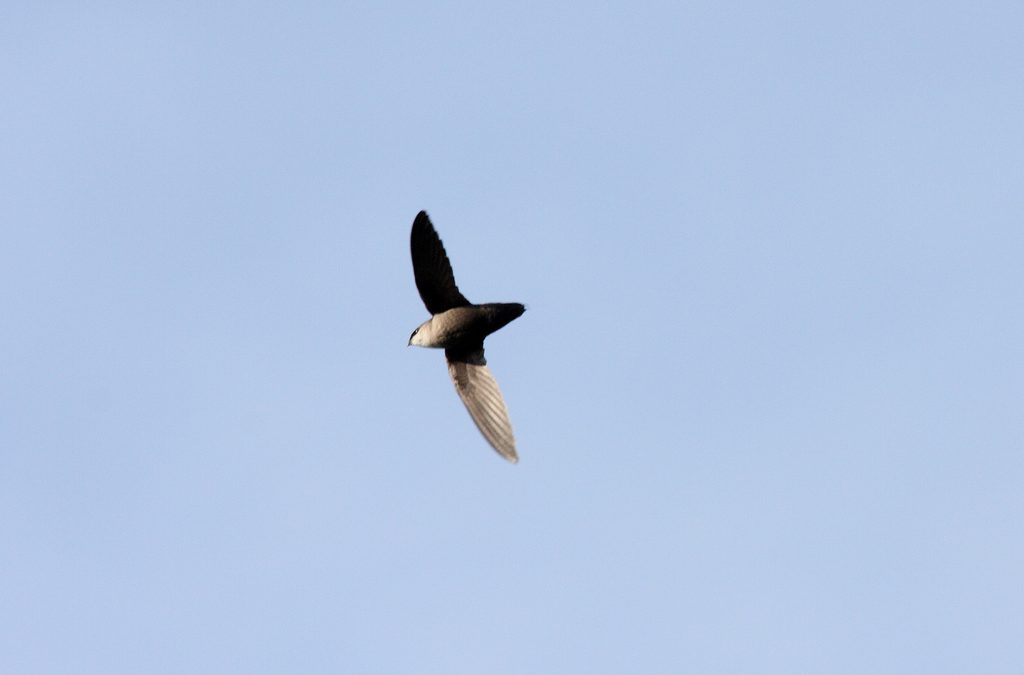
Chimney Swift
The Chimney Swift (Chaetura pelagica), is truly a bird of the air, spending its days speeding aloft on thin, sickle-shaped wings, catching flying insects for food. This species, though declining in numbers, is still a fairly common sight in our area in summer. The...
Have questions? Contact us: info@bedfordaudubon.org

Stay up to date.
Join our newsletter >