
February Nature Almanac: What to Look for
February Nature Almanac
By Tait Johansson, Naturalist
1 Look for the small, paired tracks of Mink by streams, ponds, and lakes, often leading onto the ice or into the water.
12 As the days lengthen, on sunny mornings listen for an increase in singing from our winter birds such as chickadees, titmice, Carolina Wrens, and cardinals.
15 Red Maple flower buds now swelling in preparation for bloom, bringing a subtle reddish tinge to our wooded swamps.
20 Bald Eagles likely to be already incubating eggs in their massive stick nests along the Hudson and near local reservoirs.
25 Male Red-winged Blackbirds now returning to set up territories in anticipation of the arrival of females.
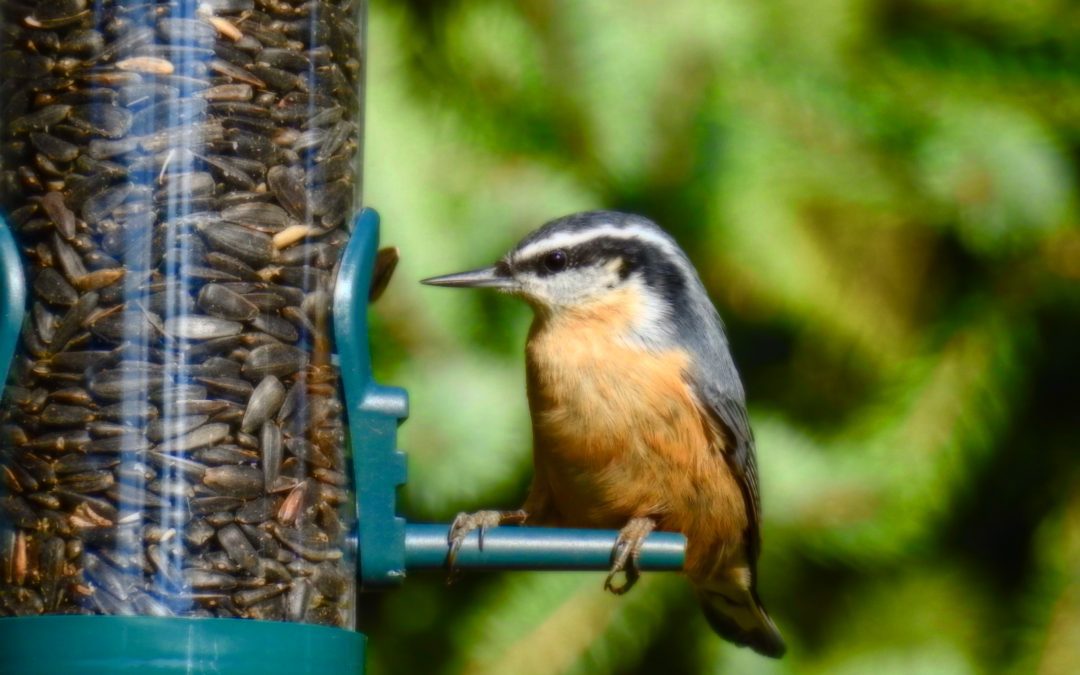
White- & Red-breasted Nuthatch
Nuthatches are droll little birds, entertaining backyard birdwatchers with their habit of making their way through life upside down as they search for tiny invertebrates and seeds hidden in crevices in the bark of trees. They are also frequent visitors to feeders...
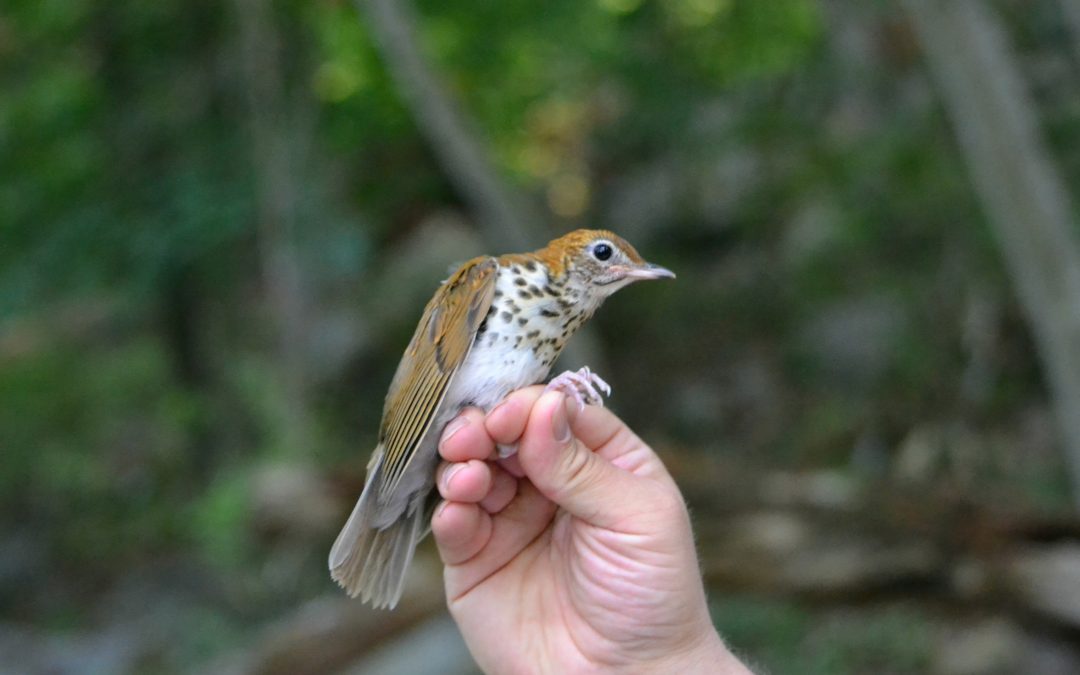
Wood Thrush & Veery
Of the breeding birds of our area, probably the two most accomplished singers are the Wood Thrush (Hylocichla mustelina) and the Veery (Catharus fuscescens). These species are both brownish, secretive thrushes that mostly stay in the shadows of the woods, but...
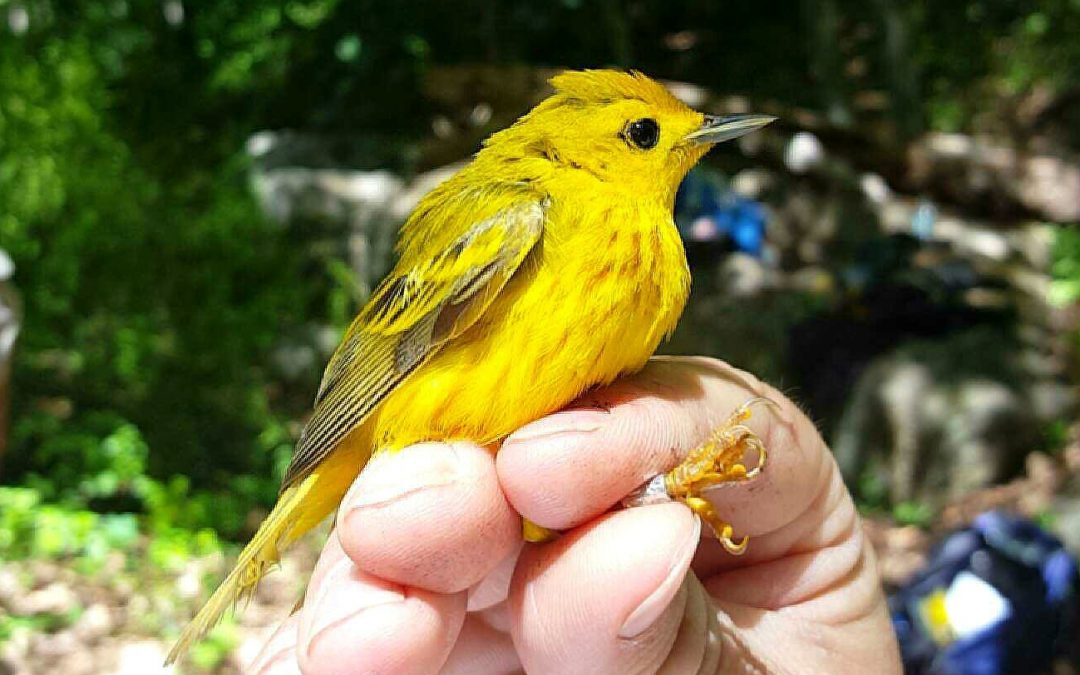
Yellow Warbler
Many birders find warblers a difficult group of birds to identify. Fall, when warblers tend to have drab plumages, is the most challenging season for warbler identification. Even in spring, when their more colorful breeding plumages make them easier to distinguish,...
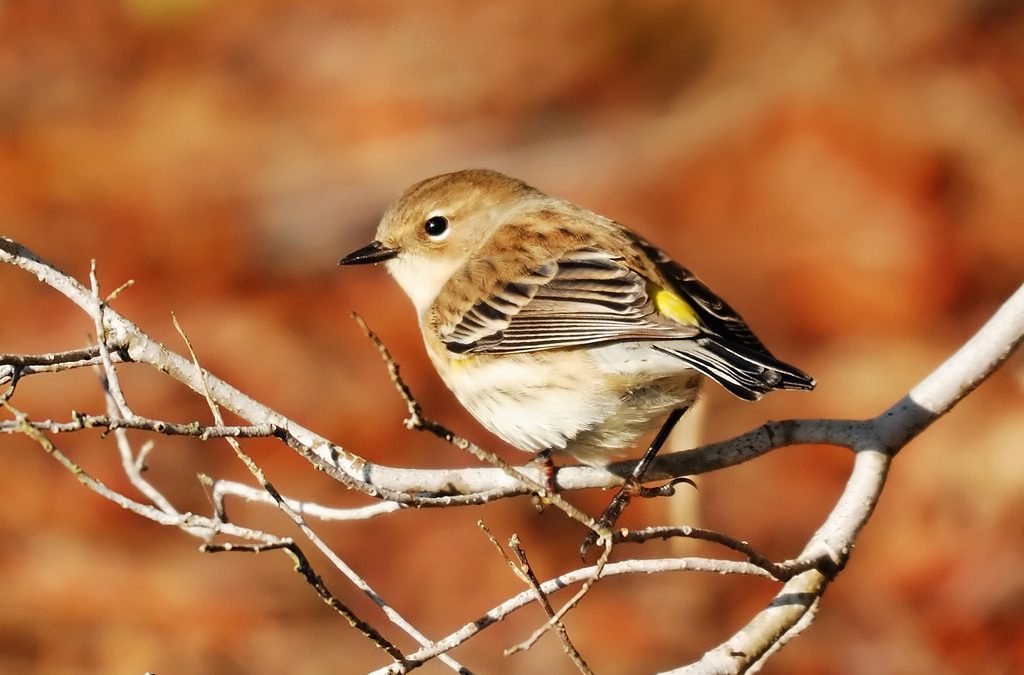
Yellow-rumped Warbler
Many birders find identifying fall warblers to be a tricky proposition. One good species to start with is the Yellow-rumped Warbler (Dendroica coronata) since it is probably the most common fall warbler in our area. The most consistently distinctive feature of this...
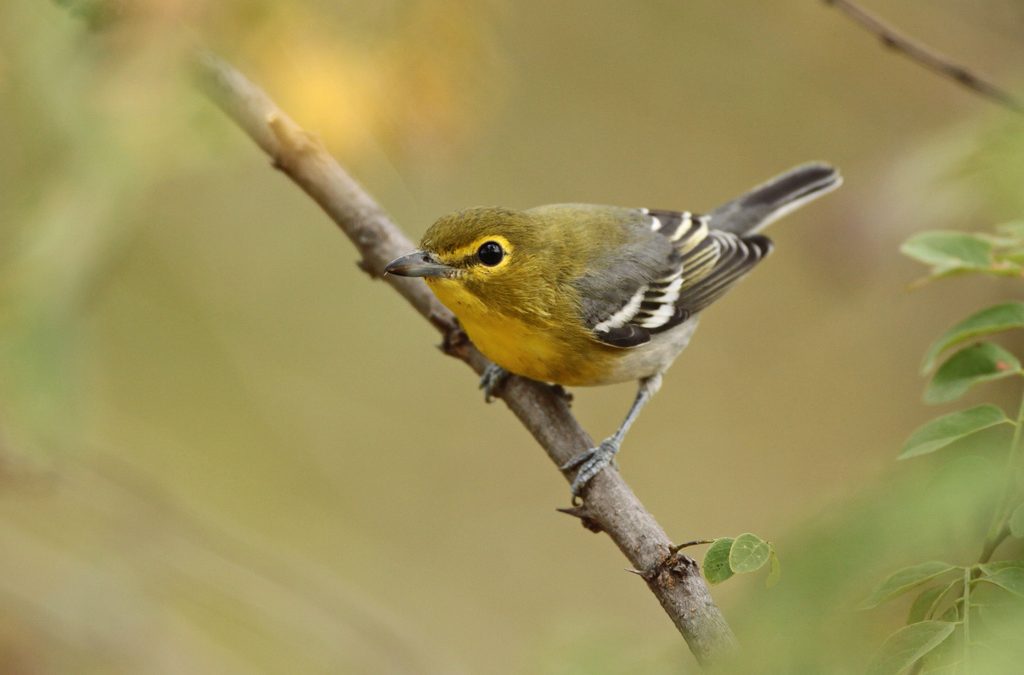
Yellow-throated Vireo
The Yellow-throated Vireo (Vireo flavifrons) is a bird often overlooked by more casual observers of the natural world, perhaps largely because it spends much of its time in the treetops, foraging for caterpillars and other invertebrates. Our most strikingly plumaged...
Have questions? Contact us: info@bedfordaudubon.org

Stay up to date.
Join our newsletter >