
February Nature Almanac: What to Look for
February Nature Almanac
By Tait Johansson, Naturalist
1 Look for the small, paired tracks of Mink by streams, ponds, and lakes, often leading onto the ice or into the water.
12 As the days lengthen, on sunny mornings listen for an increase in singing from our winter birds such as chickadees, titmice, Carolina Wrens, and cardinals.
15 Red Maple flower buds now swelling in preparation for bloom, bringing a subtle reddish tinge to our wooded swamps.
20 Bald Eagles likely to be already incubating eggs in their massive stick nests along the Hudson and near local reservoirs.
25 Male Red-winged Blackbirds now returning to set up territories in anticipation of the arrival of females.
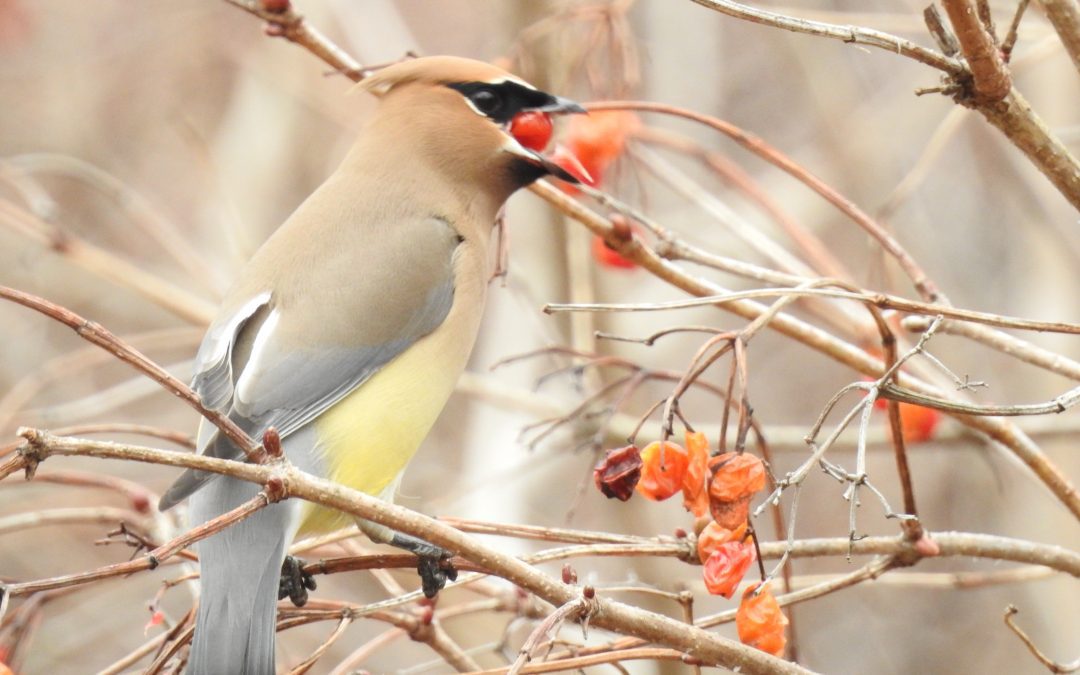
Cedar Waxwing
In a time when the populations of many songbird species in our part of the world are declining, one happy exception to this is the elegant Cedar Waxwing (Bombycilla cedrorum). One of a family consisting of only three species worldwide, our Waxwing is a common breeding...
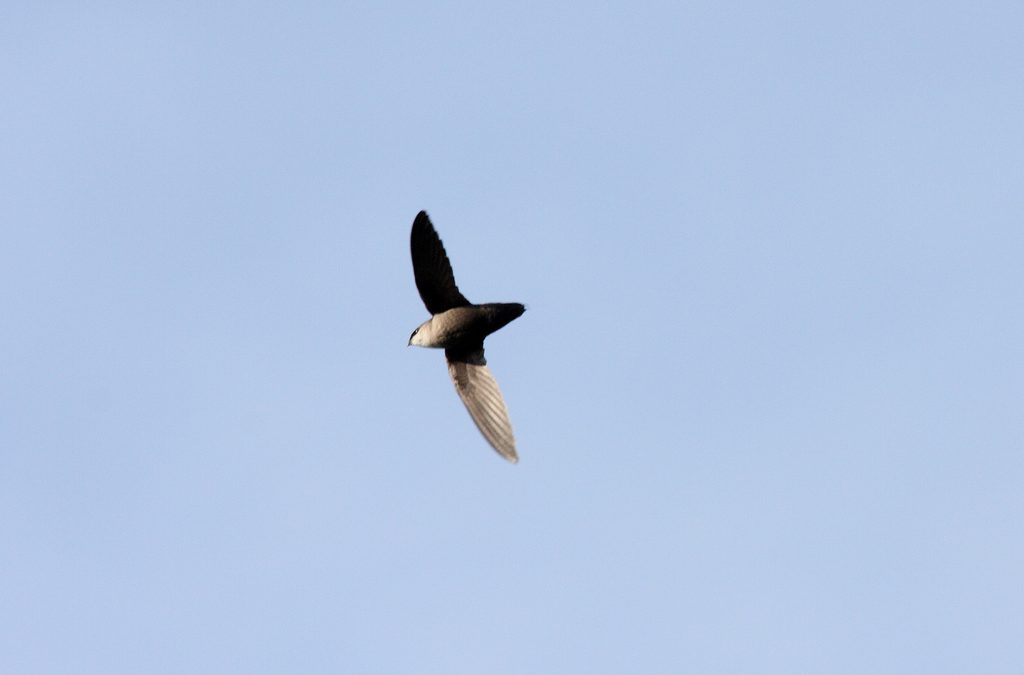
Chimney Swift
The Chimney Swift (Chaetura pelagica), is truly a bird of the air, spending its days speeding aloft on thin, sickle-shaped wings, catching flying insects for food. This species, though declining in numbers, is still a fairly common sight in our area in summer. The...
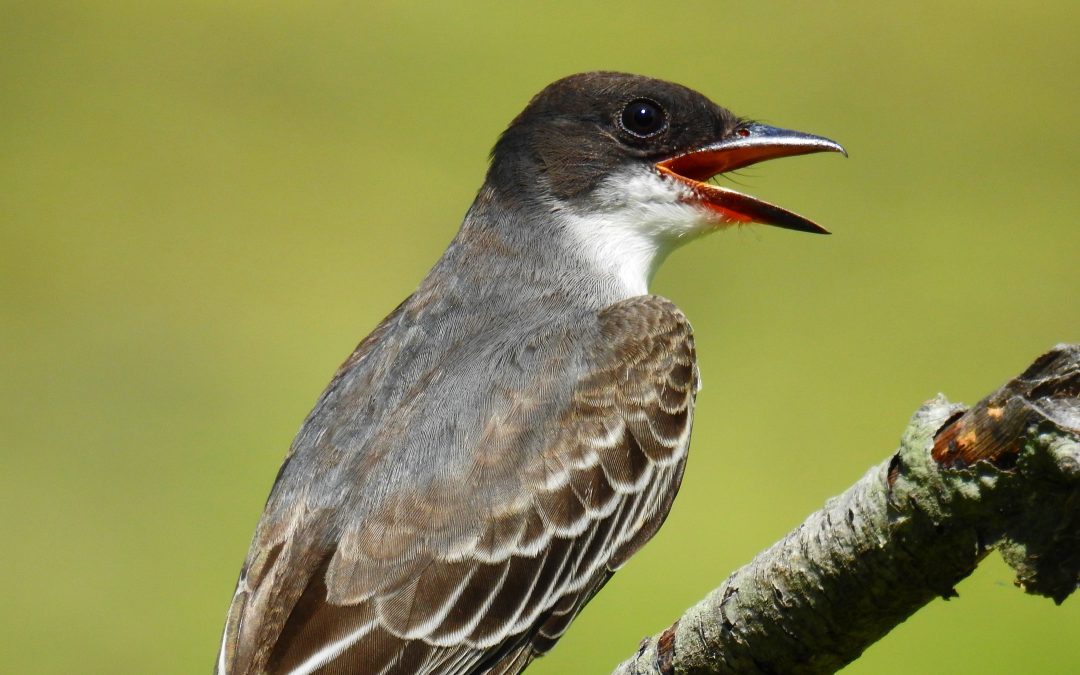
Eastern Kingbird
Although not brightly colored, the Eastern Kingbird (Tyrannus tyrannus) is a conspicuous and flamboyant bird. This large flycatcher, about the size of a Catbird, is found commonly in our area in summer in fields, wetlands, and even urban parks. Except for a thin,...

Eastern Phoebe & Wood-Pewee
The Eastern Phoebe (Sayornis phoebe), is a familiar species to most in our area, often found building its nest of mud and moss under the eaves of houses and other buildings, especially near water. This bird, though not at all brightly colored, is a conspicuous one,...

Eastern Screech-Owl
The Eastern Screech-Owl (Megascops asio) is one of our more common birds. This fact may come as a surprise, since, like most owls, this species is seldom seen without a special effort made to find it. Its nocturnal habits and reticent nature conceal it from a mostly...
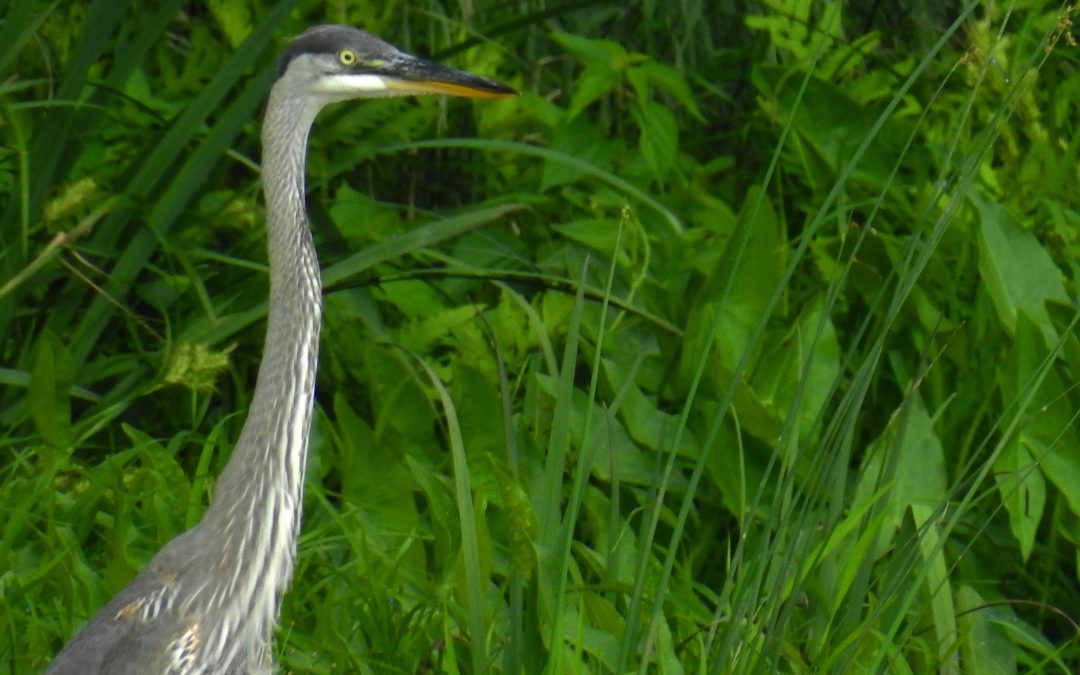
Great Blue Heron
Our largest North American heron, the Great Blue Heron (Ardea herodias), can reach a standing height of about four feet. Its impressive stature makes this species one of the birds most often noticed by the casual observer. Also contributing to its conspicuousness is...
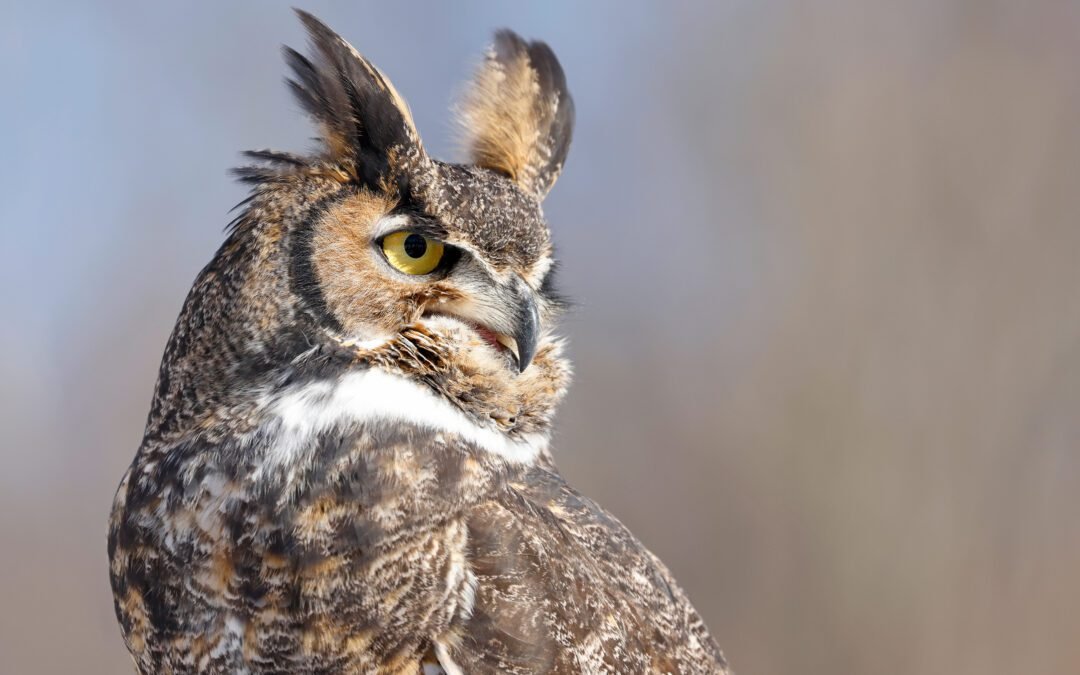
Great Horned Owl
The Great Horned Owl (Bubo virginianus) is one of our most widely distributed birds. Almost our entire area is potential Great Horned Owl habitat. These fierce, powerful predators range over large areas in search of prey, which can range in size from insects to skunks...
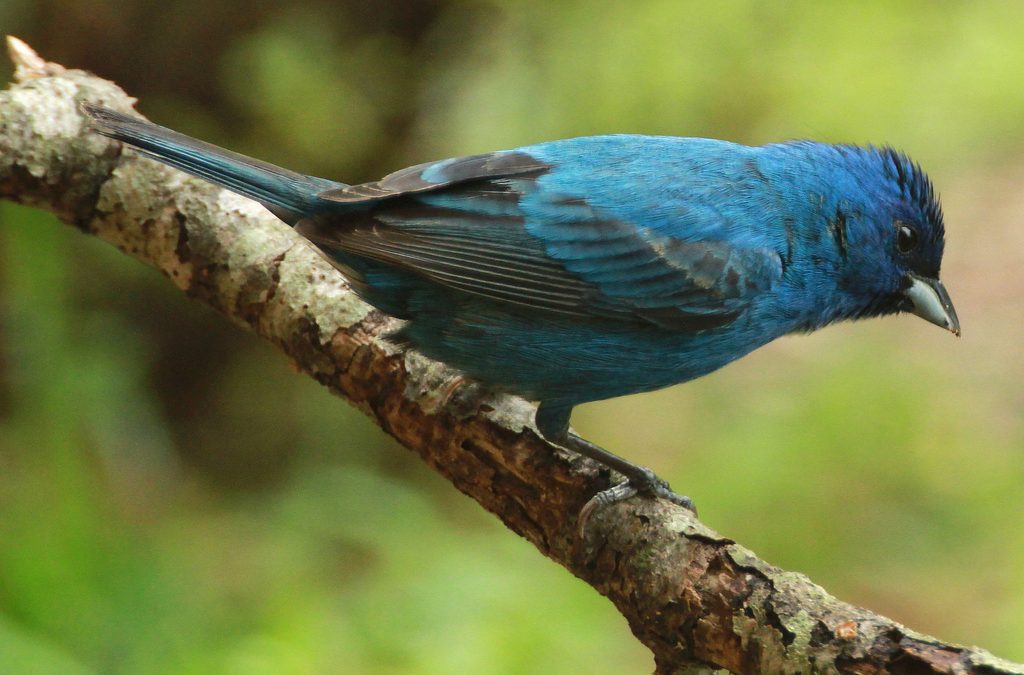
Indigo Bunting
The Indigo Bunting (Passerina cyanea) is a denizen of dense areas of deciduous shrubbery and young trees throughout the spring and summer. Though it is more common than many people realize, its populations are declining in eastern North America, as are the numbers of...
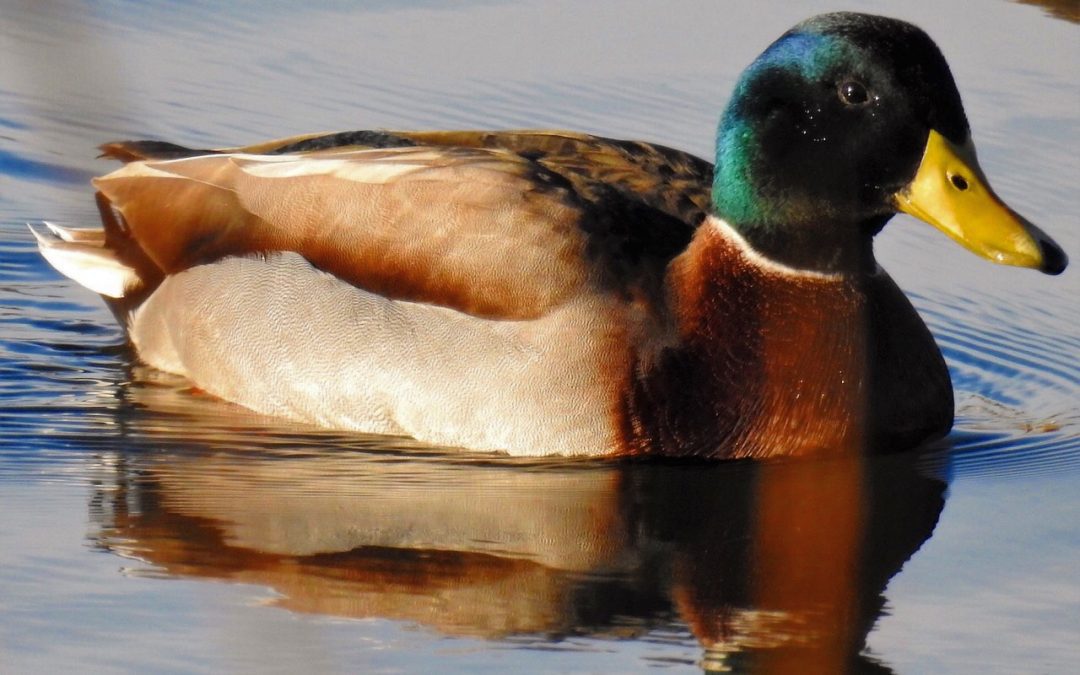
Mallard & Black Duck
The ubiquitous Mallard (Anas platyrhynchos) is a familiar sight to most of us. Though it prefers shallow ponds and marshes for its habitat, it can turn up on almost any unfrozen body of water in our area at any time of the year. The drake is easily identified as a...
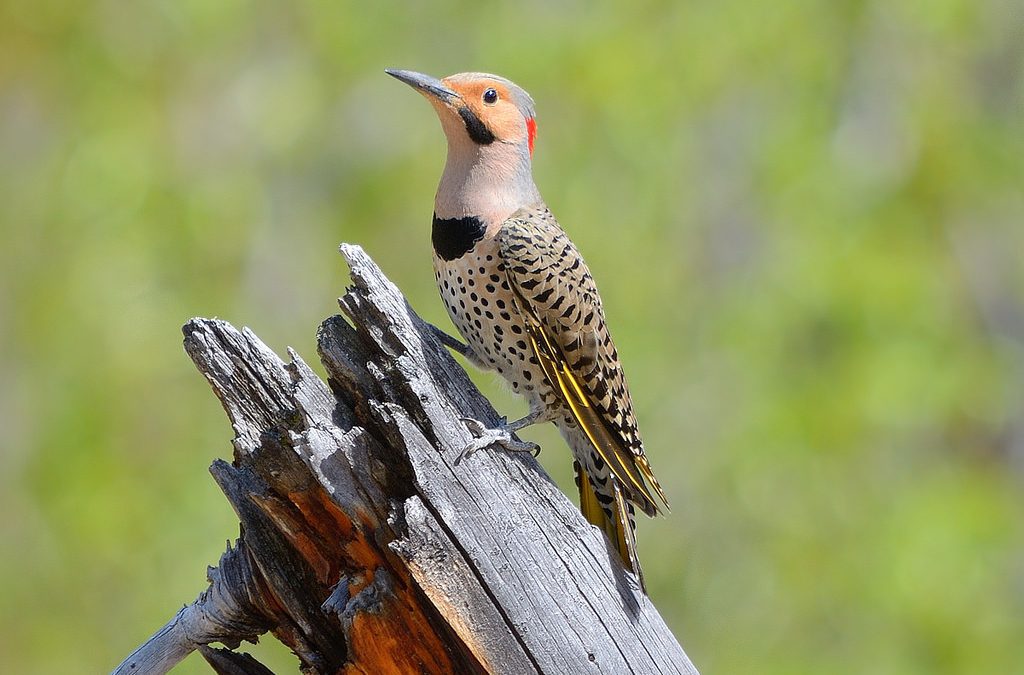
Northern Flicker
The Northern Flicker (Colaptes auratus), a large, colorful woodpecker, is a highly noticeable part of our avifauna. This is largely due to its frequenting open habitats, where its boldly patterned plumage and often-loud vocalizations draw human attention to it. While...
Have questions? Contact us: info@bedfordaudubon.org

Stay up to date.
Join our newsletter >